
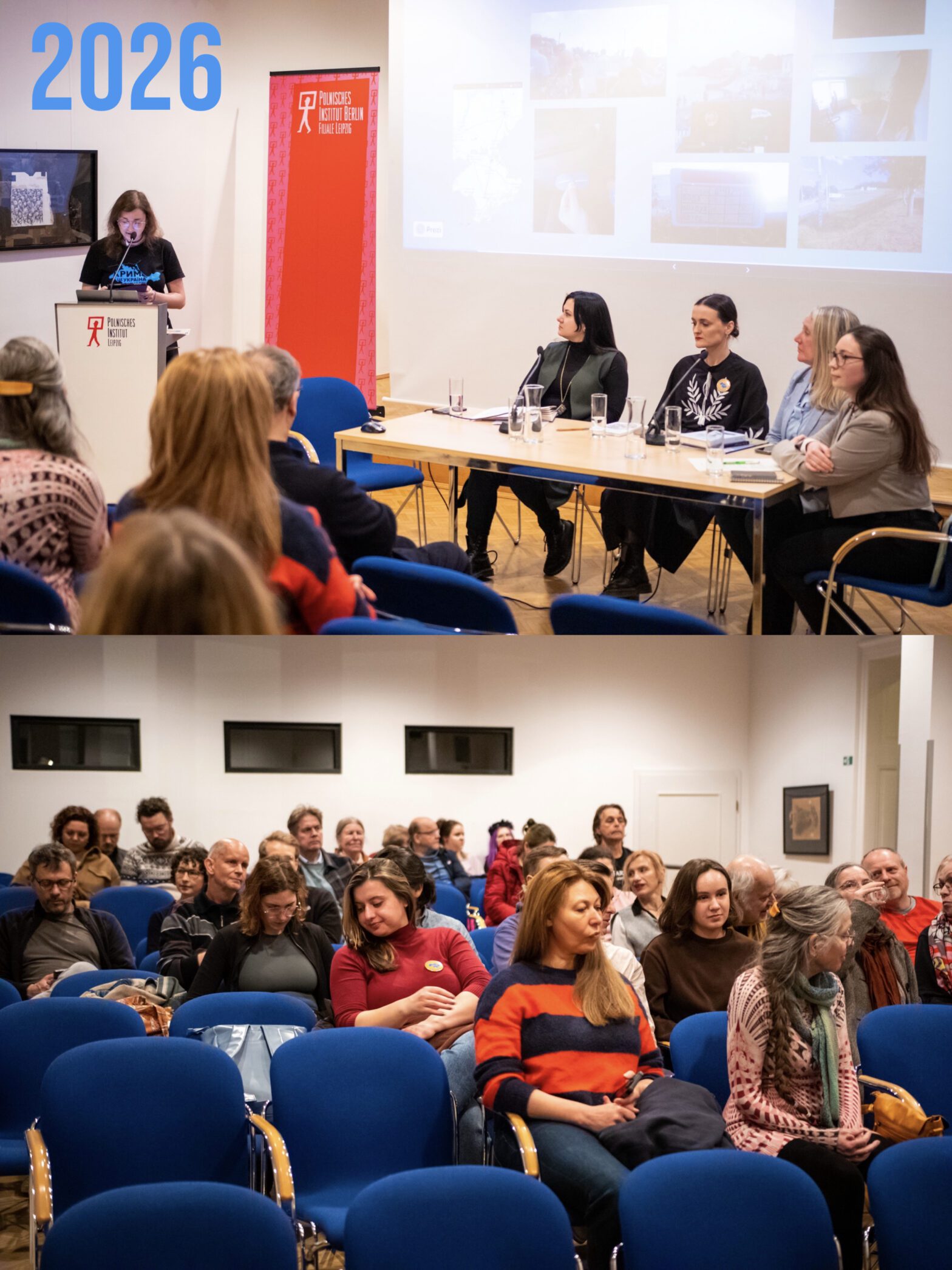
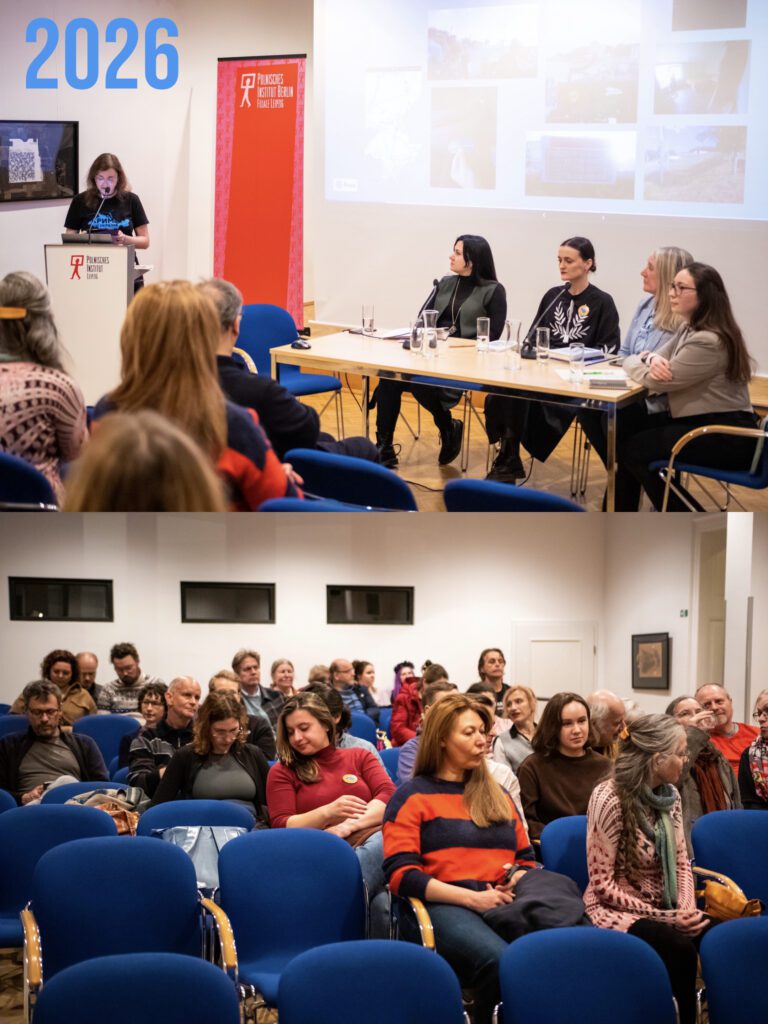
The first half of 2026 has been a busy and enriching period for our Café Ukraїna project, filled with cultural exchange, political discussions, and opportunities to learn more about Ukraine, its history, culture, and present-day reality.
During the first six months, we held 5 meetings – 5 different topics, many fascinating guests, and 5 opportunities to learn more about Ukraine and hear diverse Ukrainian voices.
As in previous years, we continue to promote Ukrainian culture, explore Ukrainian history, and foster an understanding of Ukraine’s role as an integral part of European civilization. It is important to us to present Ukraine as a self-sufficient and equal European state with its own history, culture, and distinct identity.
We sincerely thank the Leipzig branch of the Polish Institute Berlin for its continued support and for providing us with a space for our regular meetings. We would also like to express our sincere gratitude to the City of Leipzig and the Department for Democracy and Social Cohesion for their financial support, which allows our project to continue developing and becoming even better.
February: Crimea – People’s Stories
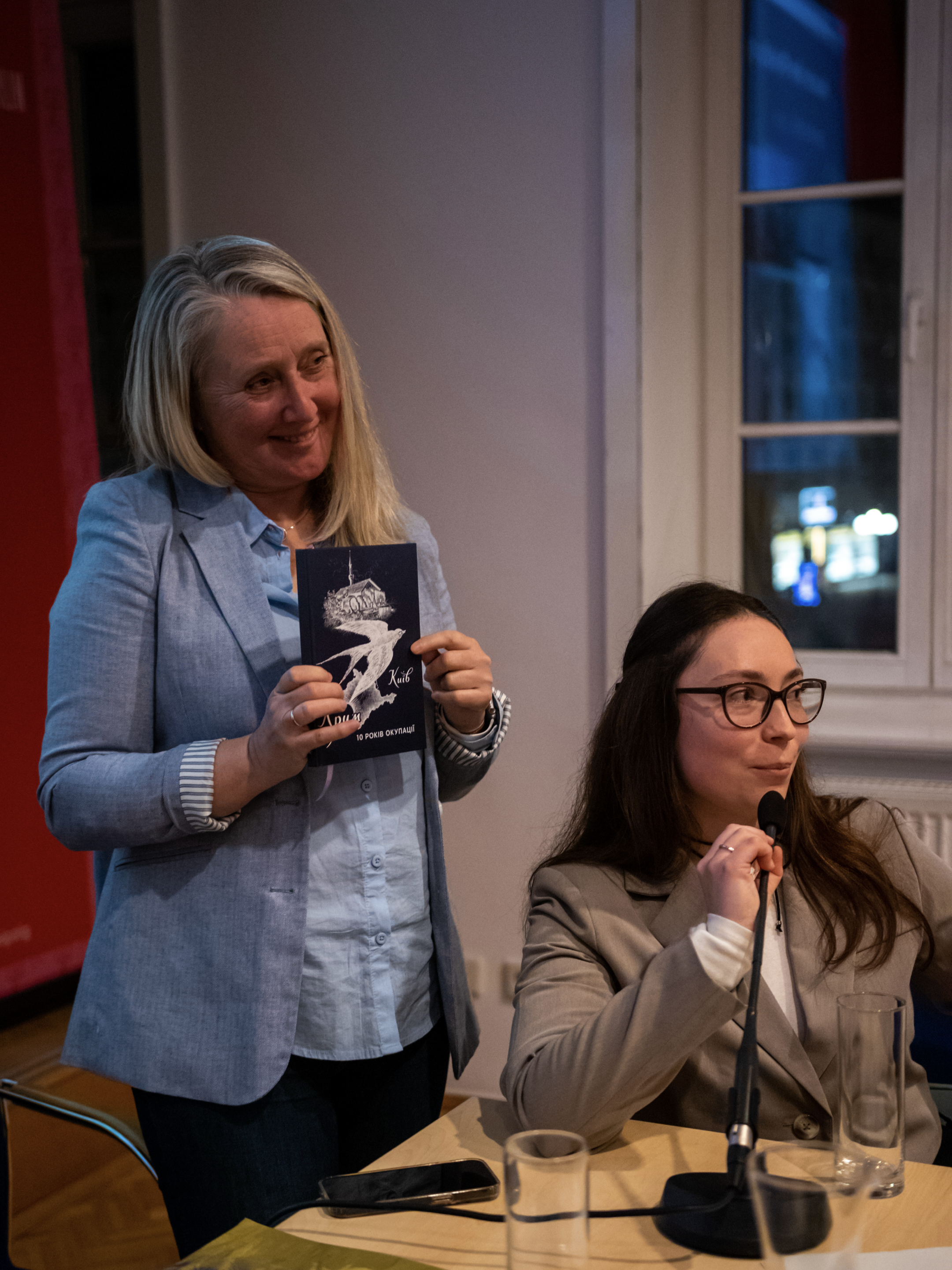
We dedicated the first 2026 meetup to Crimea. We discussed the experiences of socially active people displaced from the occupied peninsula.
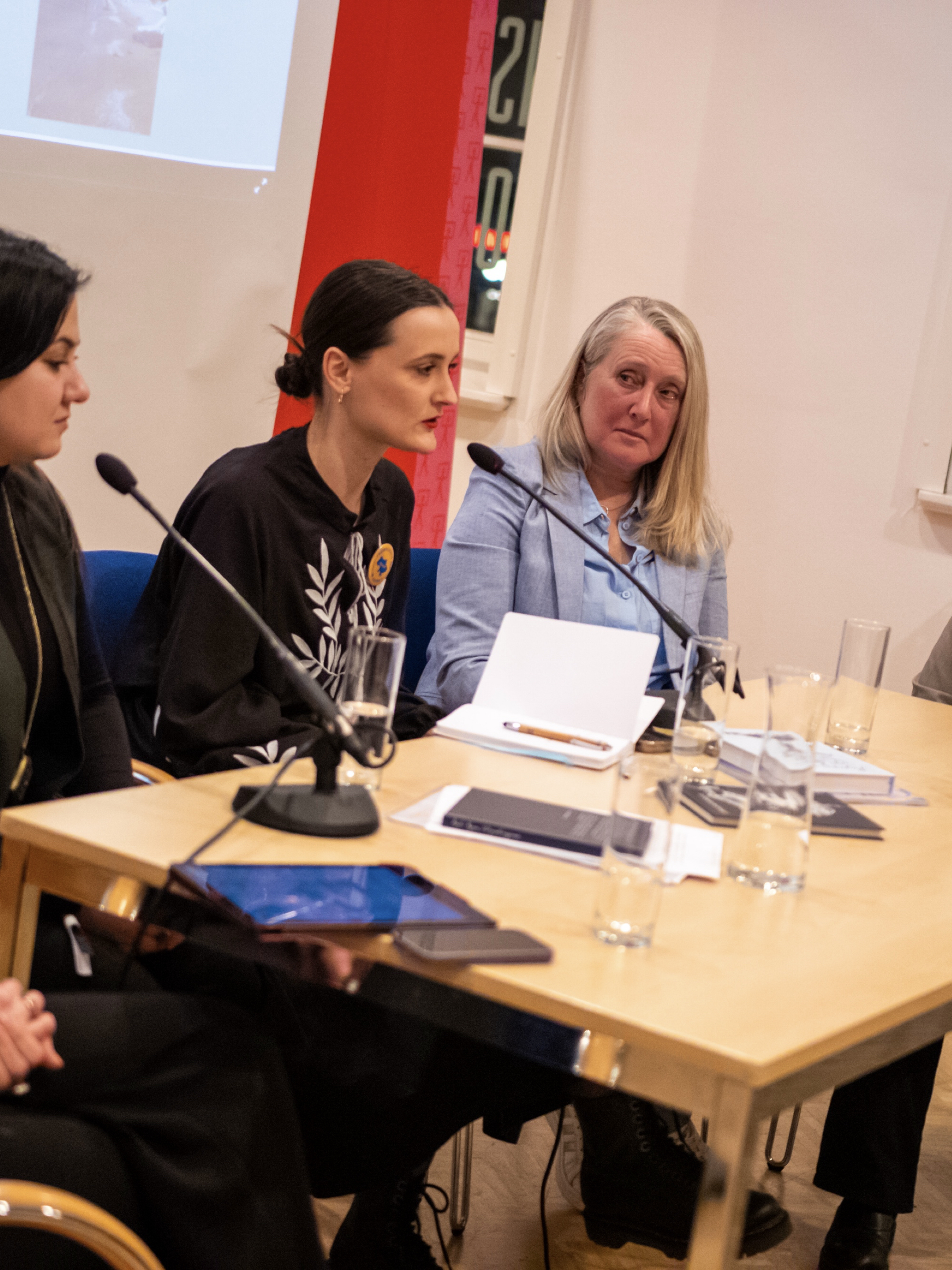
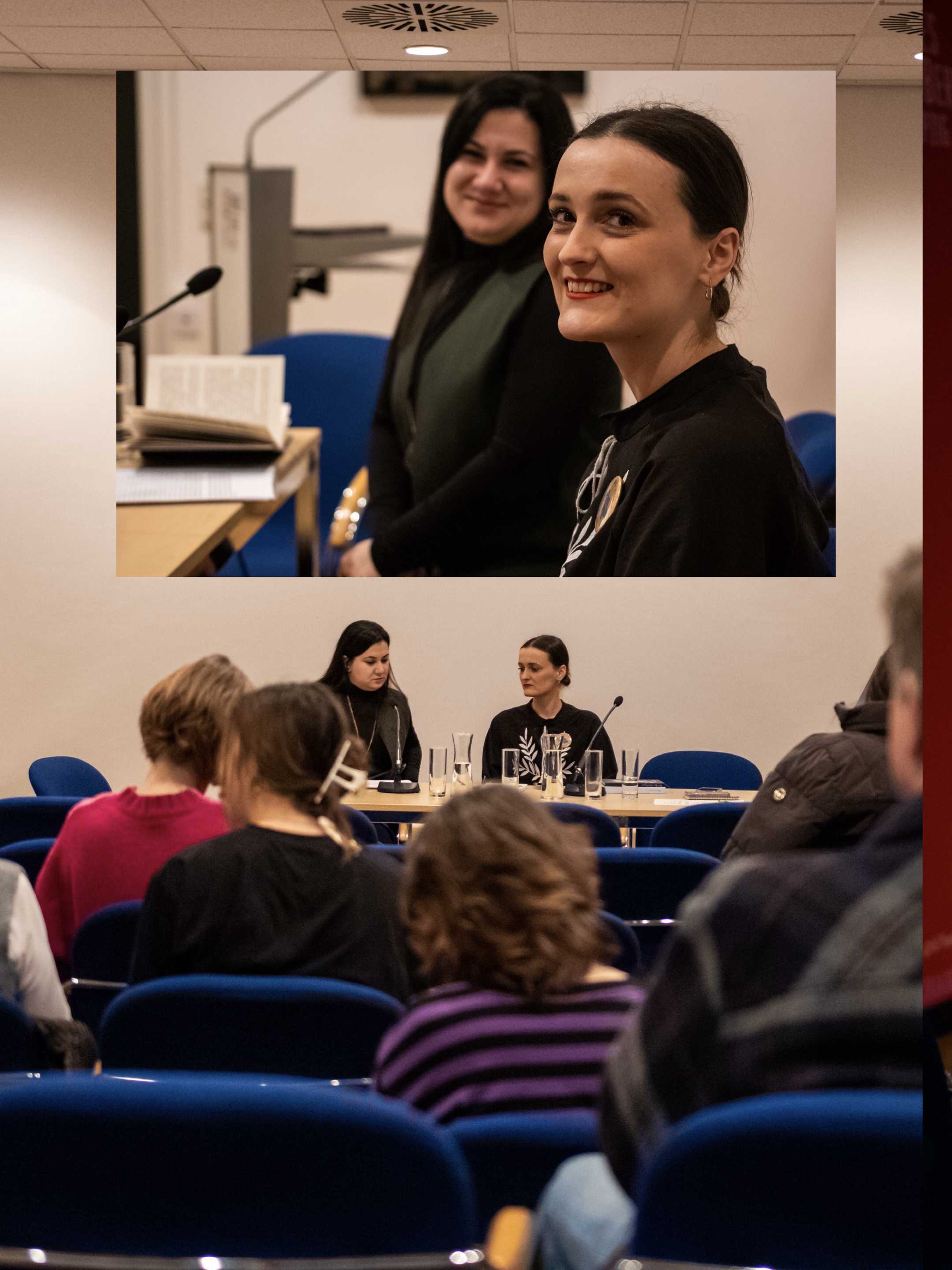
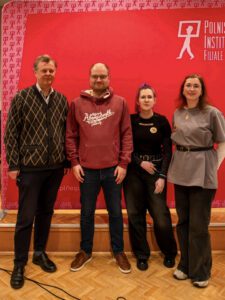
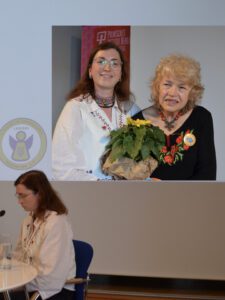
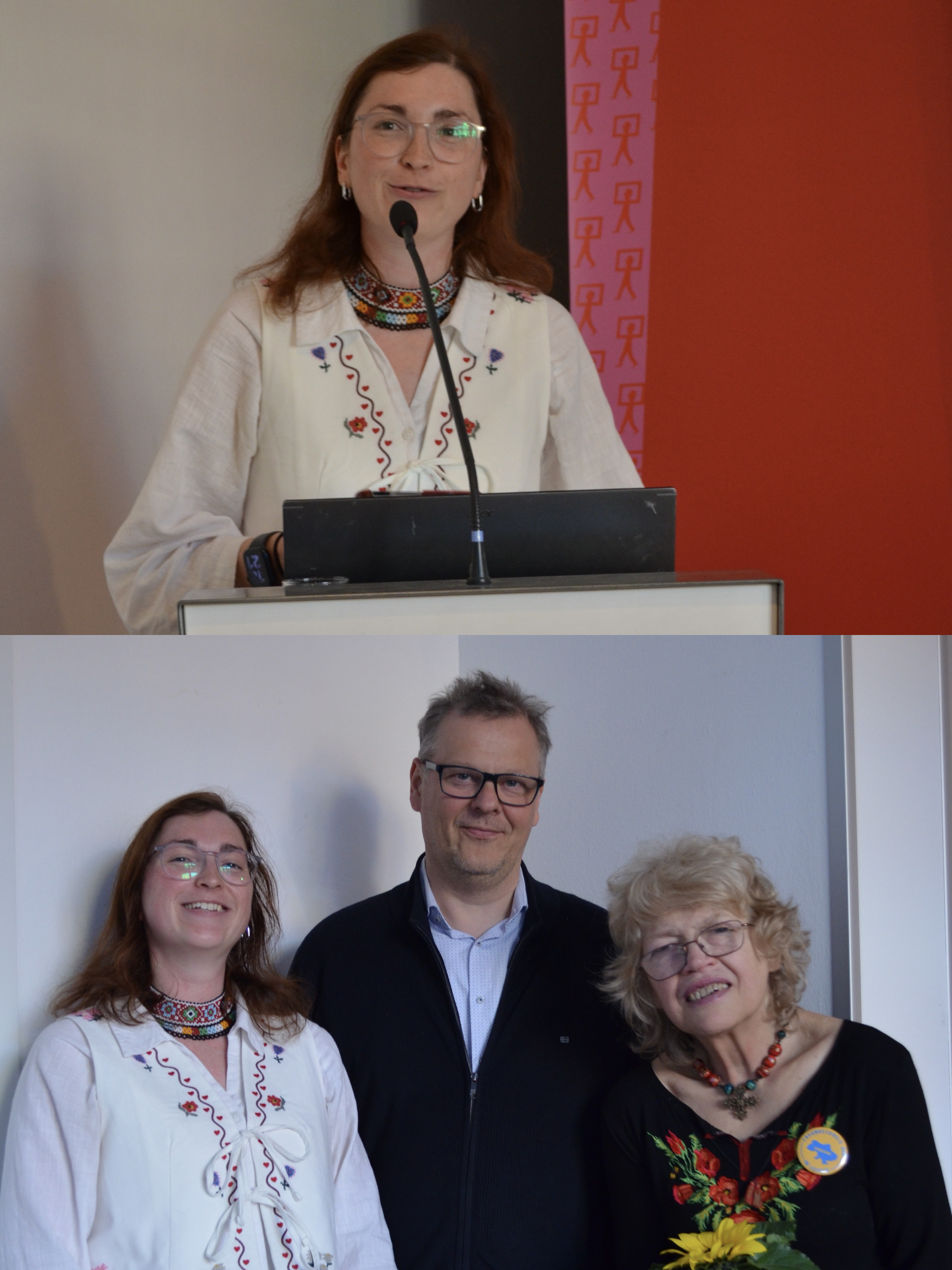
We were joined by writer Olena Bohatyrenko; Crimean Tatar author, journalist, and co-founder of the Crimean civic media outlet SEMAAT (Jemaat) Elnara Nuriyeva-Letova; as well as our activist and Café Ukraїna project curator Sonya Kalmykova. They shared their life stories, experiences of the occupation, and the pain of losing their homeland, Crimea.
The special atmosphere of the meeting was enhanced by the artwork of talented Crimean Tatar artist Aider Khatipov, which guests had the opportunity to see during the event.
March: “The Long February”
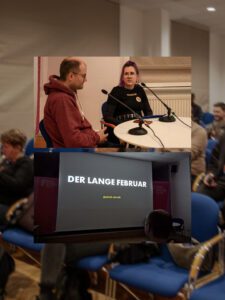
On March 30, marking the anniversary of the liberation of Bucha, we screened The Long February, a documentary by German director Michael Stadnik about the events of the russian occupation of Bucha and Irpin.
For several years, Michael collected video footage and conducted interviews with civilians whose voices had previously received little attention in Western media. The film gave us an opportunity to hear these stories and see the events of the russian occupation through the eyes of those who experienced them firsthand.
April: Volunteering and the Ukrainian Community in Leipzig
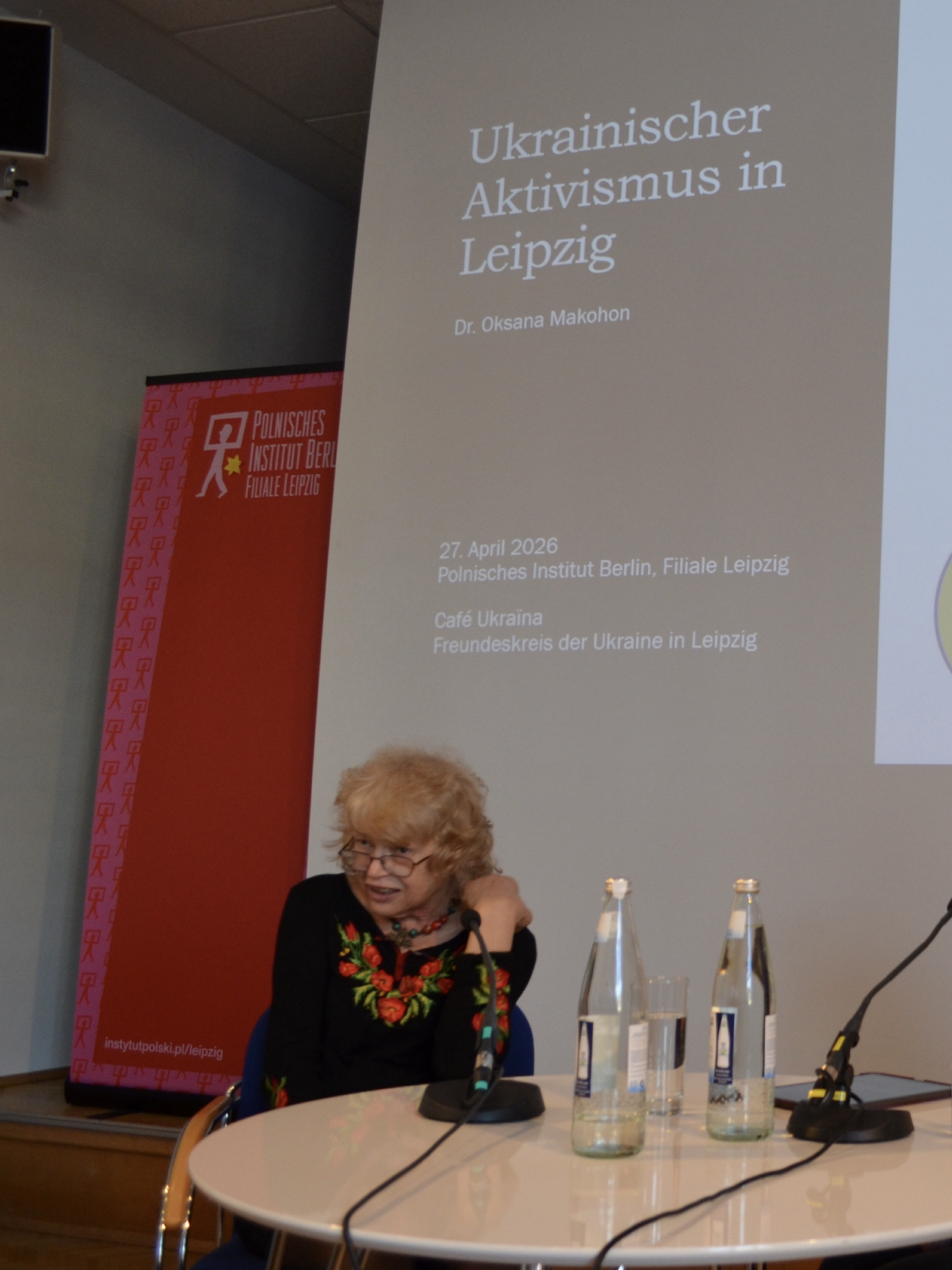
In April, we had the honor of welcoming Dr. Oksana Makohon – a prominent community activist, co-founder of the Ukrainian Saturday school “Namysto” and the volunteer community center of the Ukrainian Greek Catholic Church in Leipzig, as well as a board member of the “Oberih” organization.
Dr. Makohon shared her many years of volunteering experience and spoke about the work of the Ukrainian Saturday school “Namysto”, which has been operating in Leipzig for more than 11 years, helping preserve the Ukrainian language and culture and maintain children’s and families’ connection with Ukraine.
May: Women’s Voices of Crimea
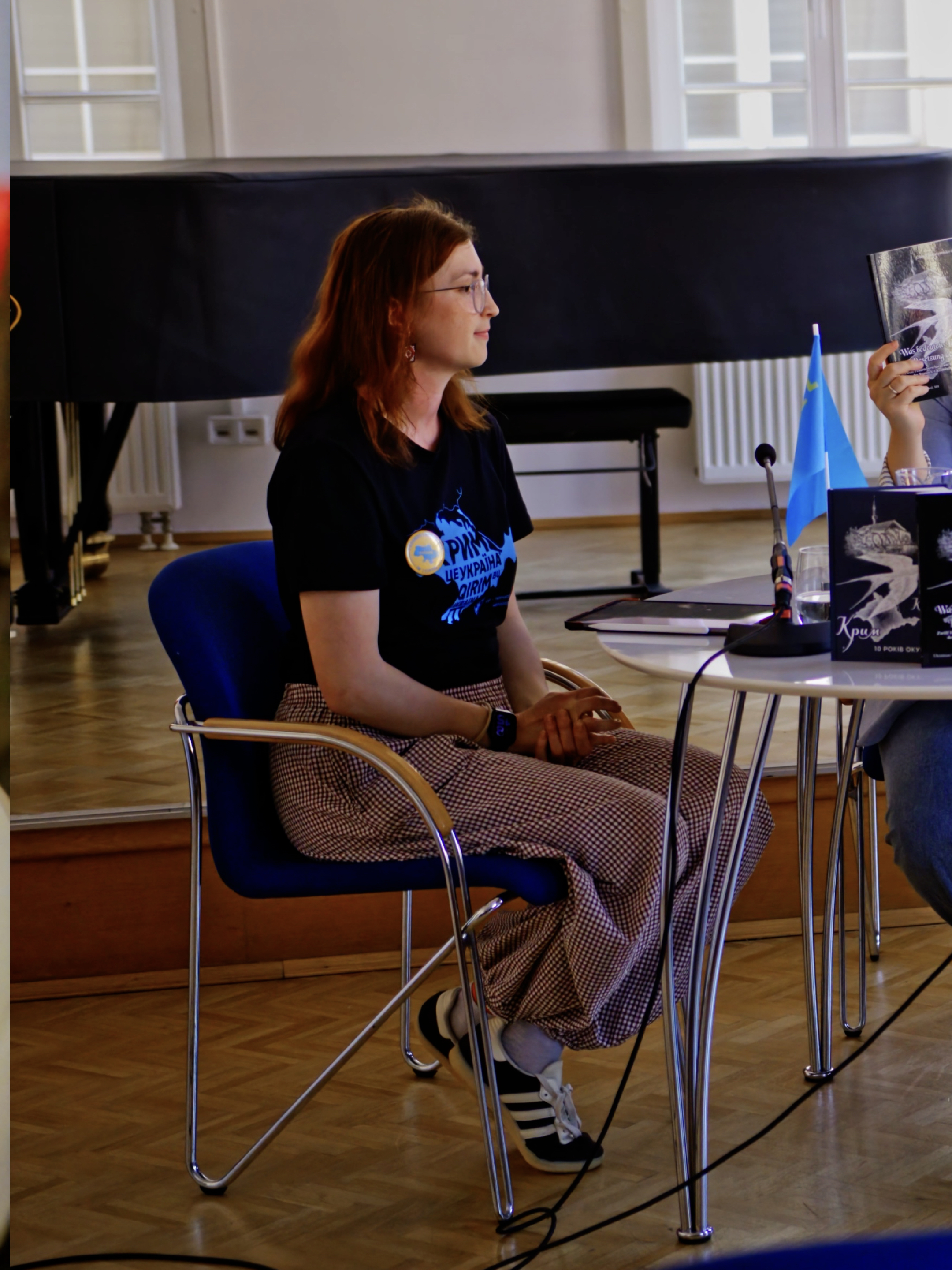
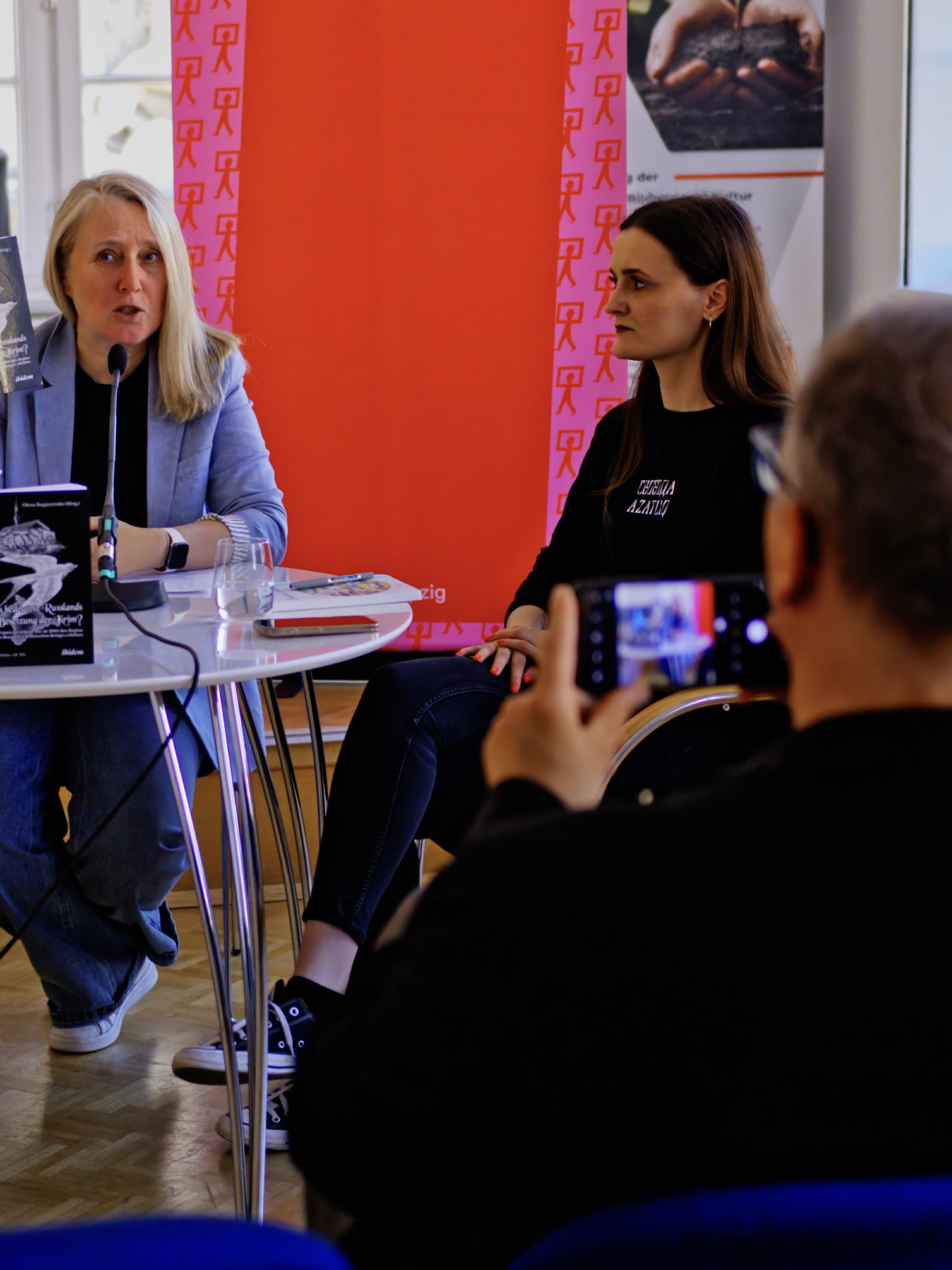
Our May meeting was once again dedicated to Crimea.
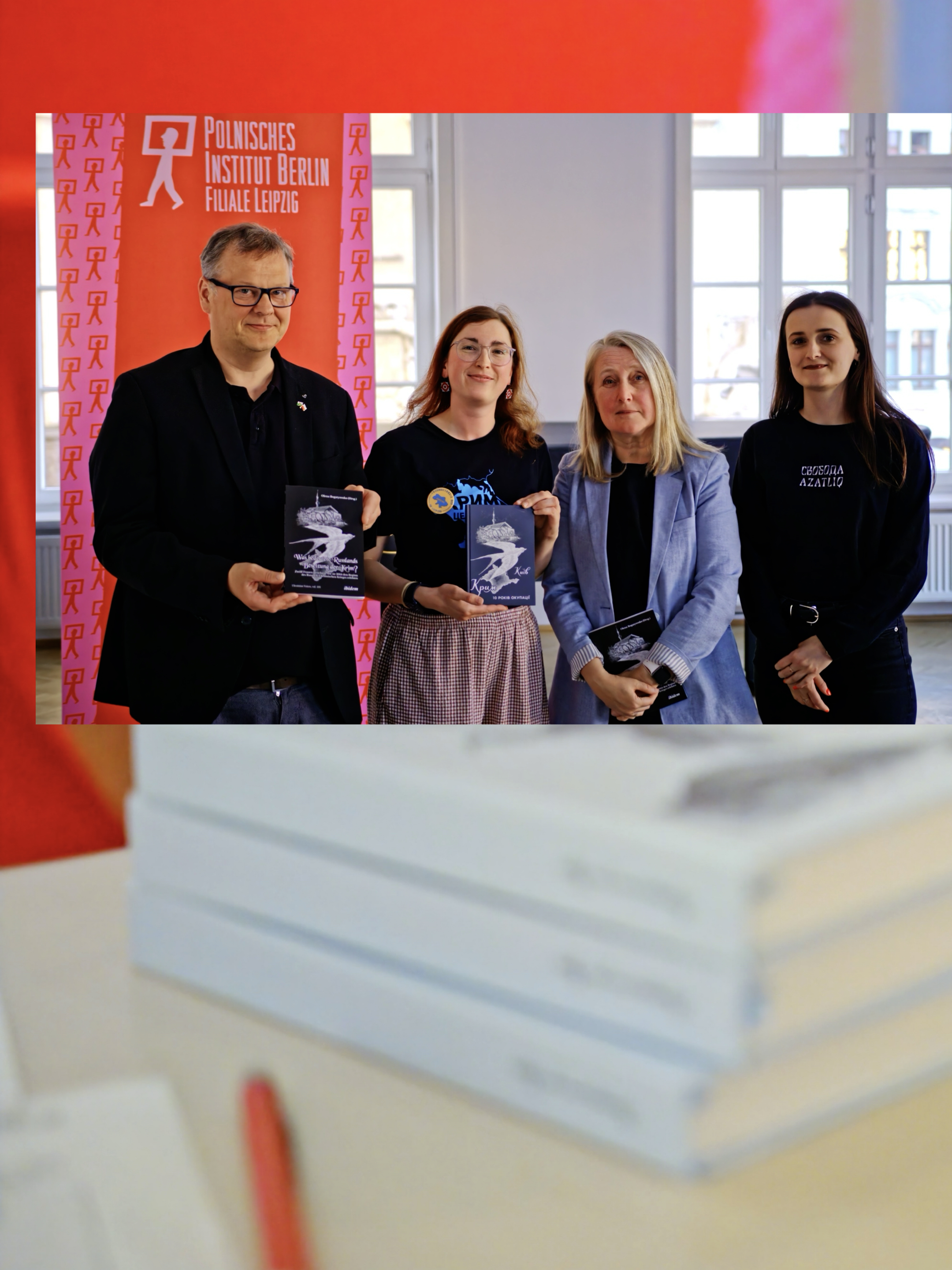
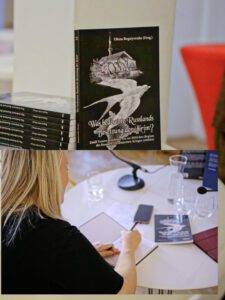
Writer Olena Bohatyrenko presented her recently published German-language book Was bedeutete Russlands Besetzung der Krim?, which brings together the voices of 12 women from Crimea.
These are personal stories of the beginning of russian aggression, loss, resistance, and the preservation of human dignity. Through personal testimonies, the book helps us better understand what the occupation of Crimea means to those who experienced it firsthand.
June: Literary Evening
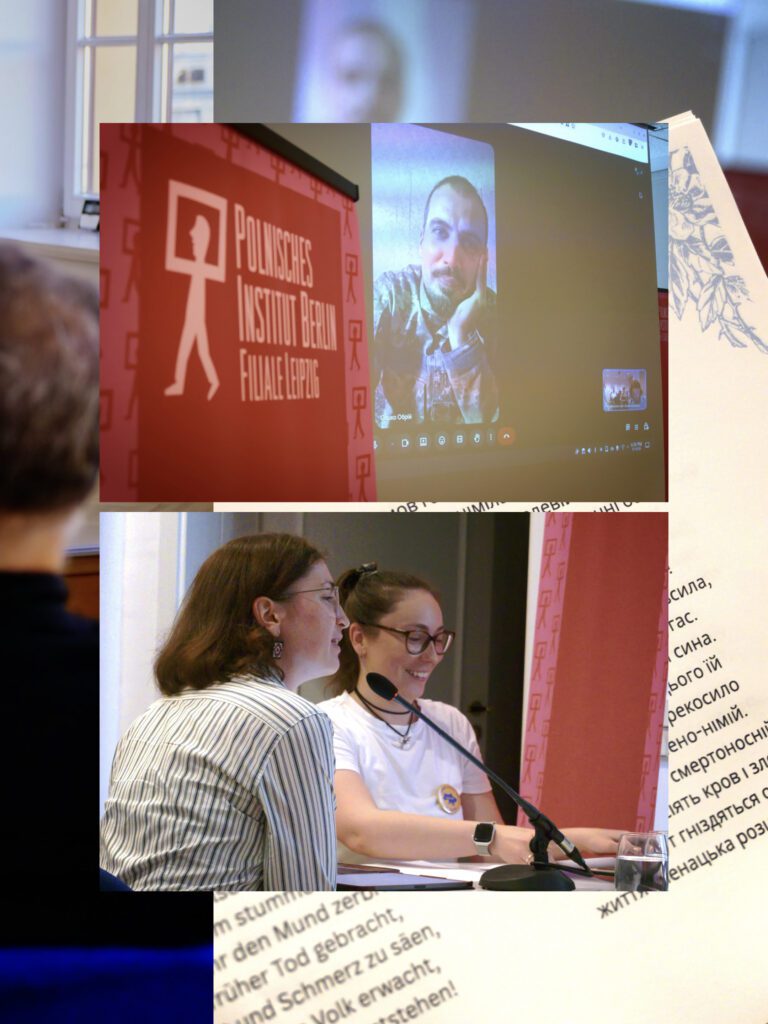
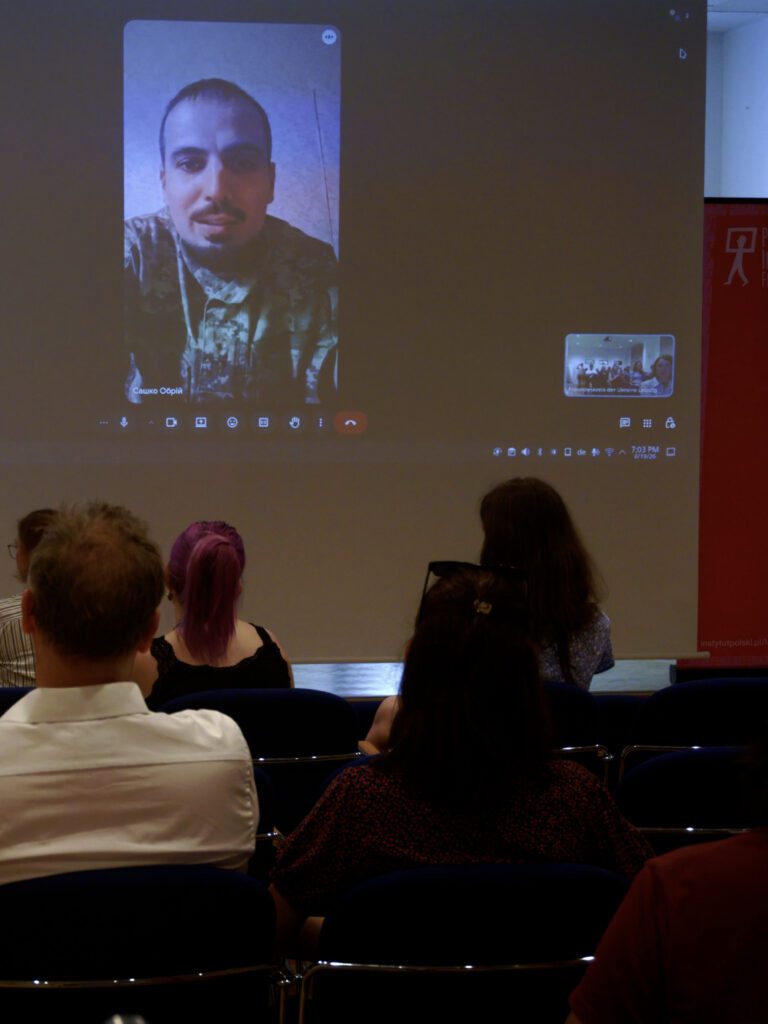
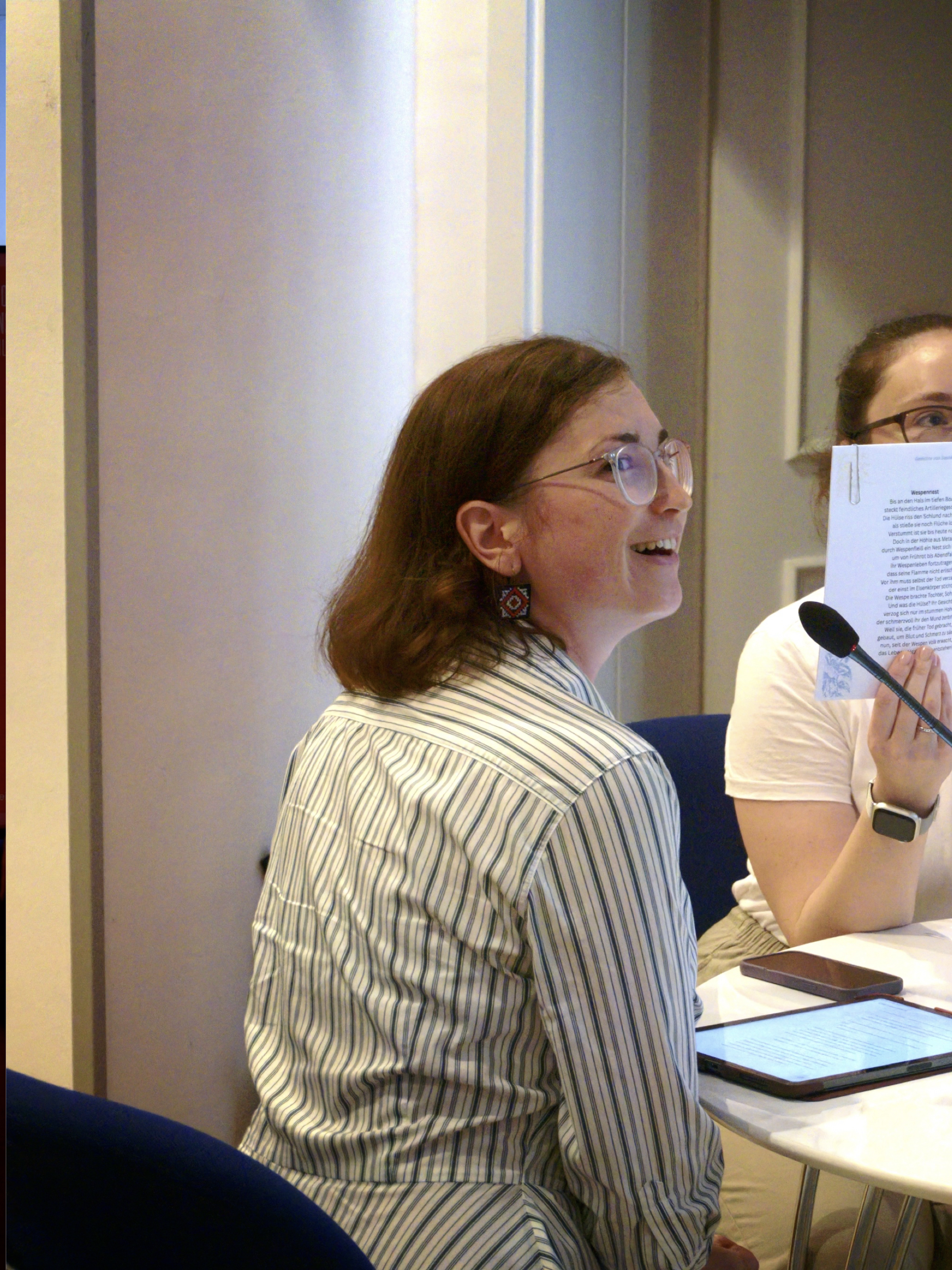
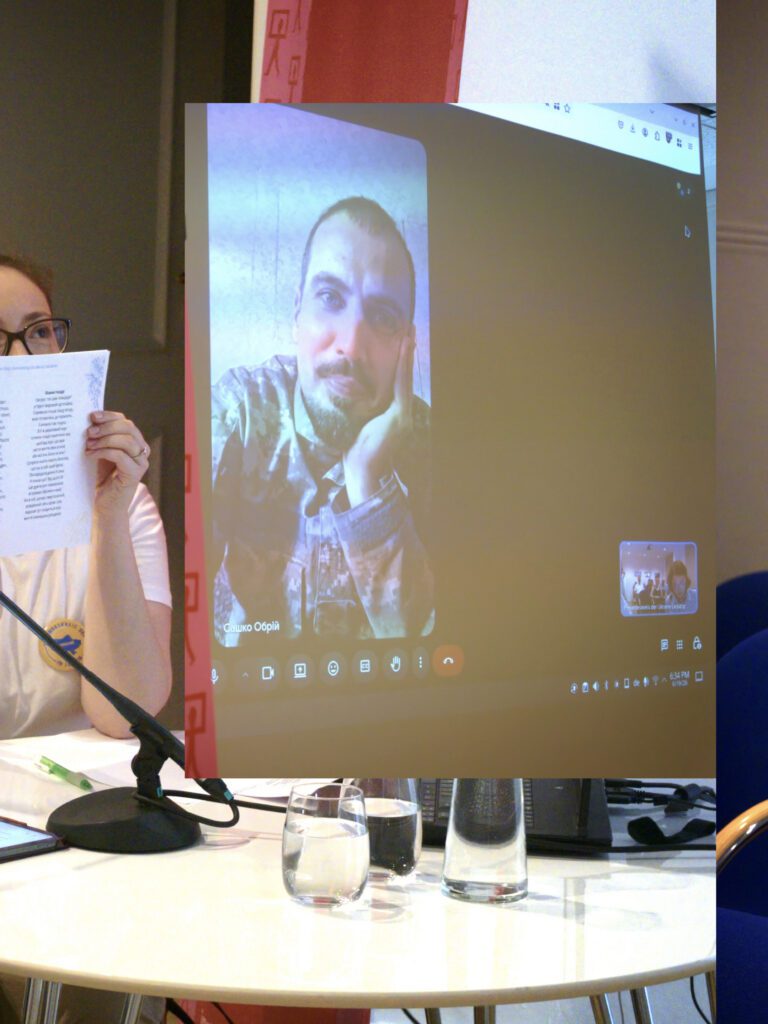
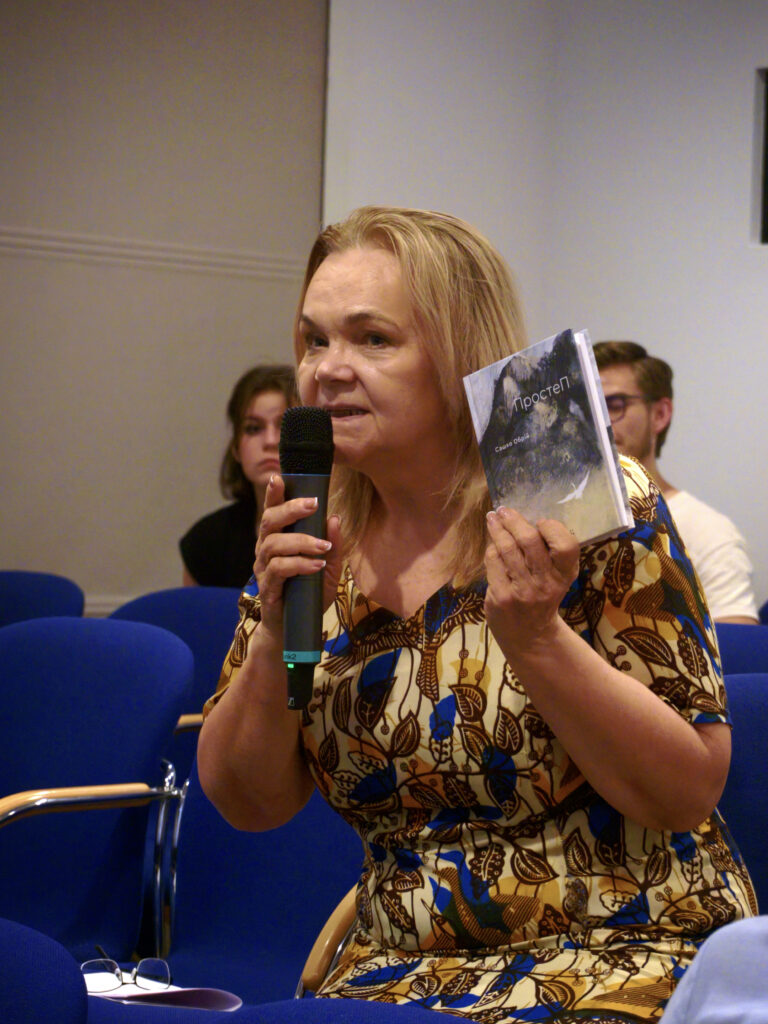
In June, Café Ukraїna transformed into a literary evening, which we held together with Ukrainian poet and servicemember Sashko Obriy – winner of the Vasyl Symonenko All-Ukrainian Literary Prize (2015), a member of the National Union of Ukrainian Writers since 2015, and author of five poetry collections.
Sashko spoke about his life and personal experiences and shared his poems and songs with us. It was a special evening – about literature, historical heritage, and the power of words even in the most difficult times.
We sincerely thank everyone who joined us throughout this first half of the year, attended our meetings, listened, asked questions, engaged in discussions, and shared their own thoughts.
To be continued! 💙💛